This year, communities and workplaces in Washington state and beyond faced emerging challenges, including the rising cost of food, power outages linked with extreme weather events, and infectious diseases such as avian flu. Many of our most-read stories of the year reflect our faculty, staff and students’ ongoing work to understand these hurdles and help create solutions.
Beyond our blog, two UW News videos highlighted federal funding obstacles for our department's efforts to turn seaweed into a soil amendment for vegetable farmers and to protect workers in Washington state.
Our department also welcomed four new faculty members this year, and we look forward to introducing our new department chair soon. In other annual highlights, microbiologist Rita Colwell gave the 2025 Omenn Lecture to a standing-room-only crowd, and policy expert Jordan Barab shared timely thoughts on workplace health and safety in the current political landscape in his 2025 Breysse Lecture.
Thank you for reading, collaborating and supporting our work, and we are excited to connect with you in 2026. Take a look back at our top 10 stories below.
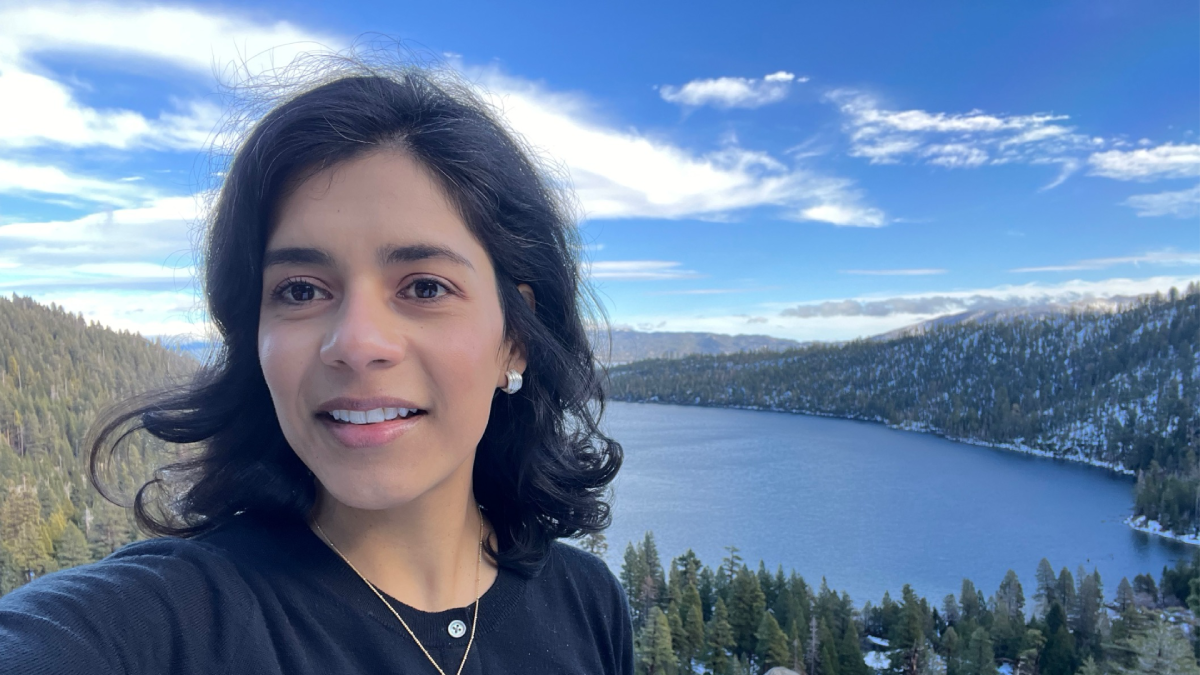
10. How does air pollution influence dementia?
New DEOHS Assistant Professor Magali Blanco studies how dirty air might slow our minds.
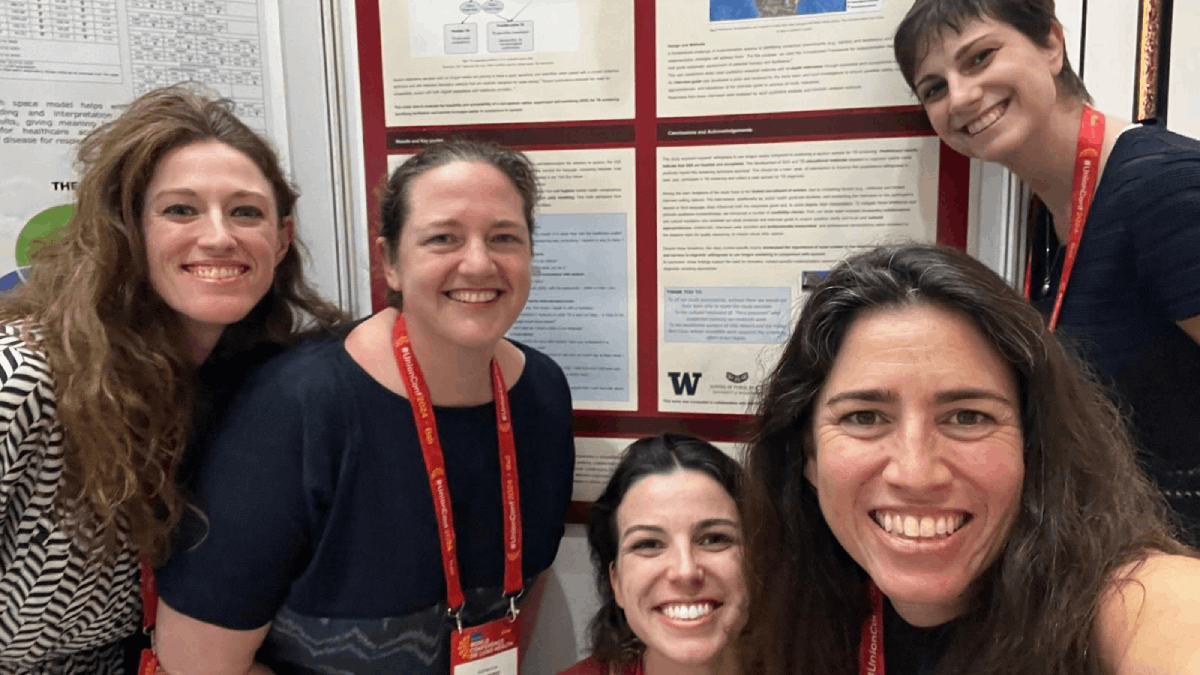
9. Finding TB’s missing millions
A tongue-swab method developed by DEOHS researchers could slow the spread of TB by detecting it before it's diagnosed. Featuring work by DEOHS Professor Gerard Cangelosi and research scientists Rachel Wood and Alaina Olson.

8. What kind of weather is most likely to cause a power outage where you live?
Nationwide patterns of severe weather in new study by DEOHS faculty member Joan Casey and collaborators provide crucial data for hazard response and mitigation.
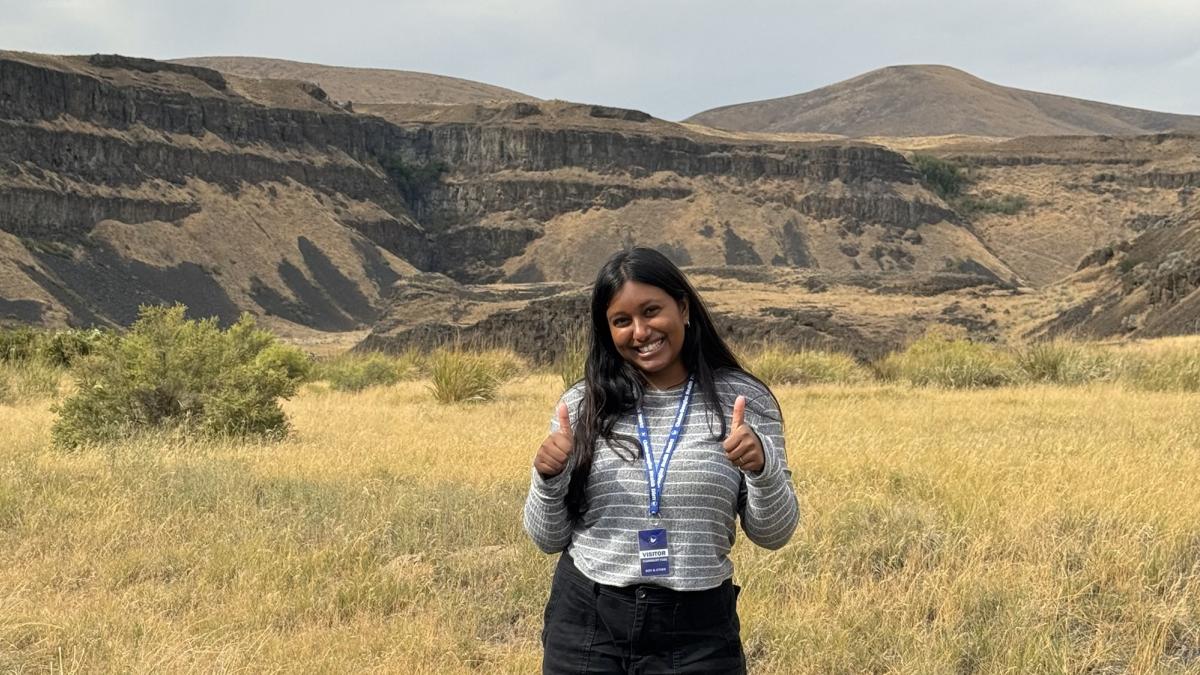
7. Student discovers rewards of rural public health work
Through a Hatlen Scholarship, DEOHS undergraduate Minola de Silva spent a summer interning with the Chelan-Douglas Health District.
6. Four new faculty members join DEOHS in 2024-2025
New assistant professors Magali Blanco, Marissa Childs, Tristan Nicholson and Rachel Sklar tackle emerging environmental conditions influencing dementia, birth outcomes, fertility and vector-borne disease.
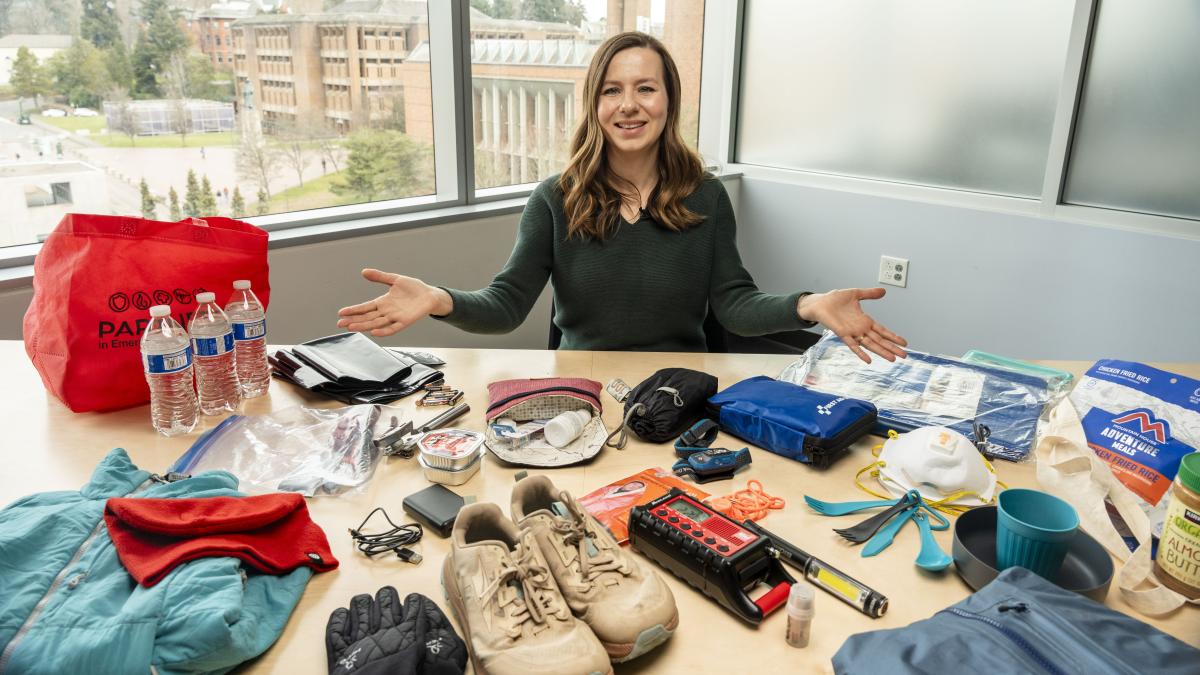
5. What goes in an emergency kit?
Be prepared for a disaster with tips from DEOHS PhD student Kathleen Moloney.
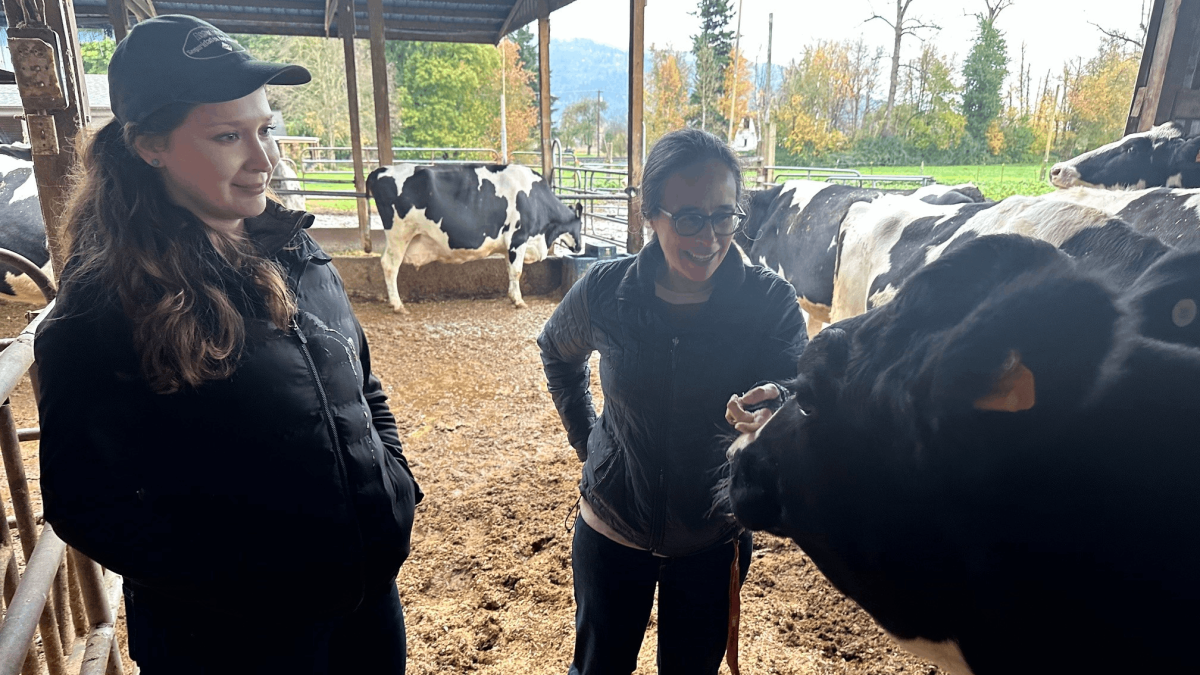
4. Avian flu: Why it’s different this time and what we can do about it
DEOHS Professor Peter Rabinowitz calls the current state of bird flu “unprecedented” and recommends stemming outbreaks by focusing on worker health.
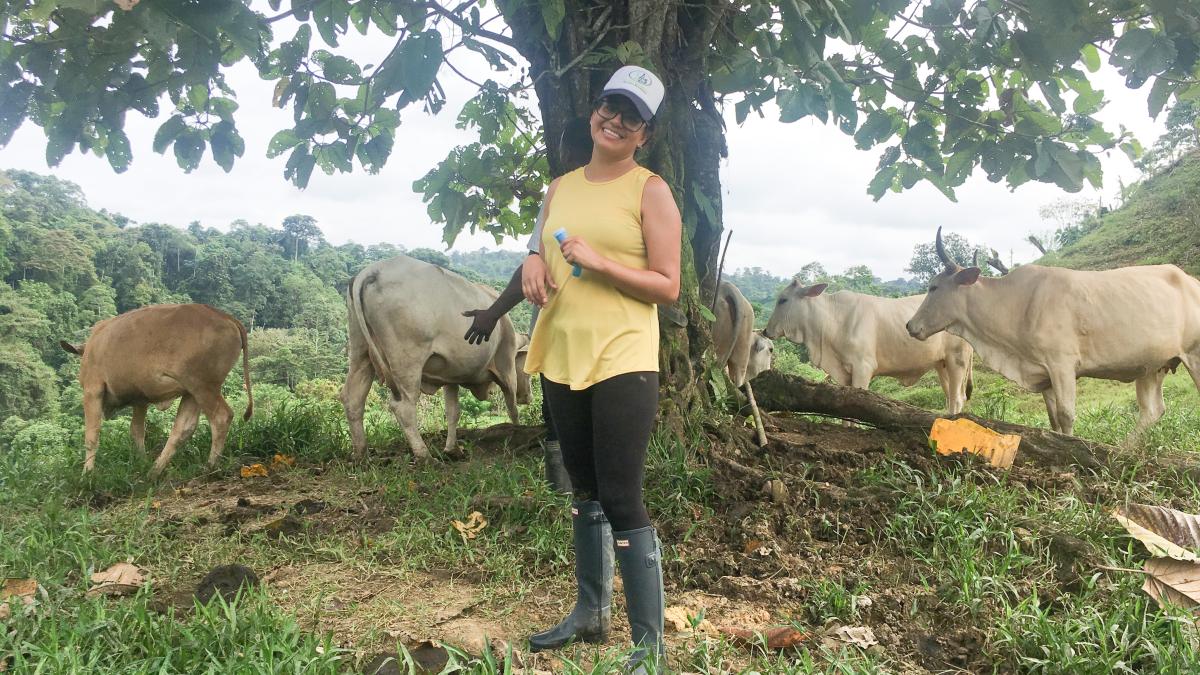
3. How much does animal exposure affect children’s gut health?
DEOHS PhD student Viviana Albán wins Castner Award to study microbiome-health connections for children in Ecuador.

2. When workplace risks don’t end at work
DEOHS researchers partner with workers to combat take-home exposures in construction, agriculture and healthcare. Featuring work by DEOHS faculty members Diana Ceballos, Elaine Faustman, Catherine Karr, Esther Min, Judit Marsillach and Edmund Seto.
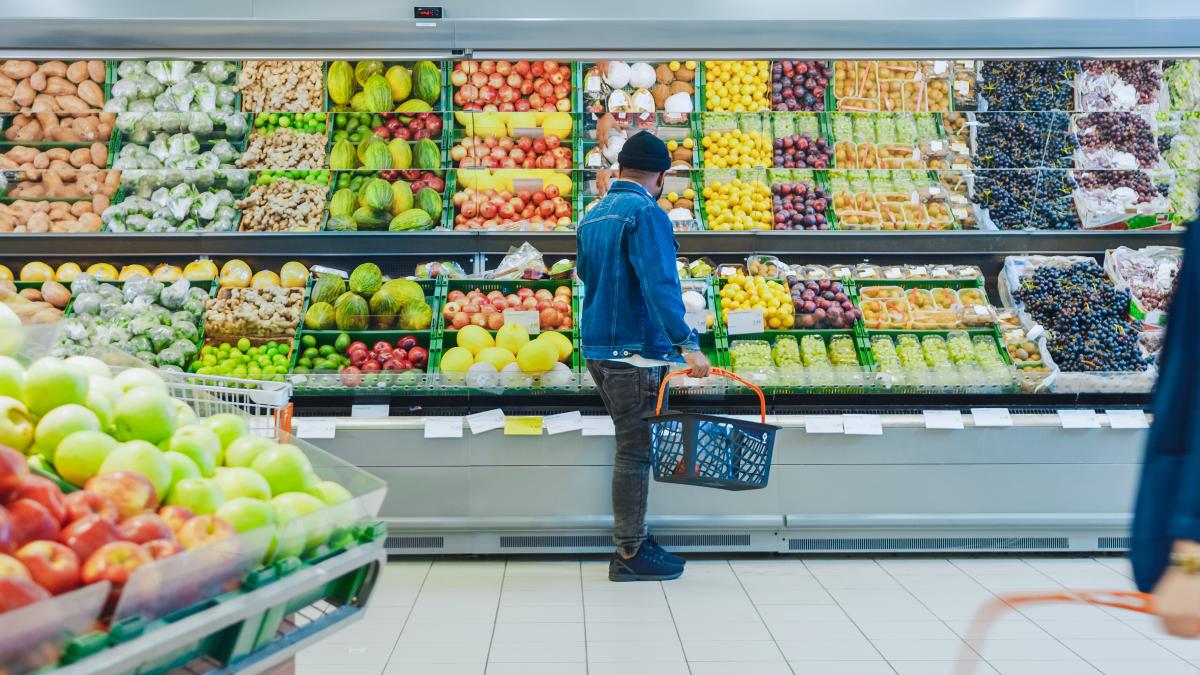
1. The growing struggle to afford groceries in Washington state
A new Washington State Food Security Survey co-led by DEOHS faculty member Jennifer Otten shows high food insecurity, with grocery prices a top concern.